

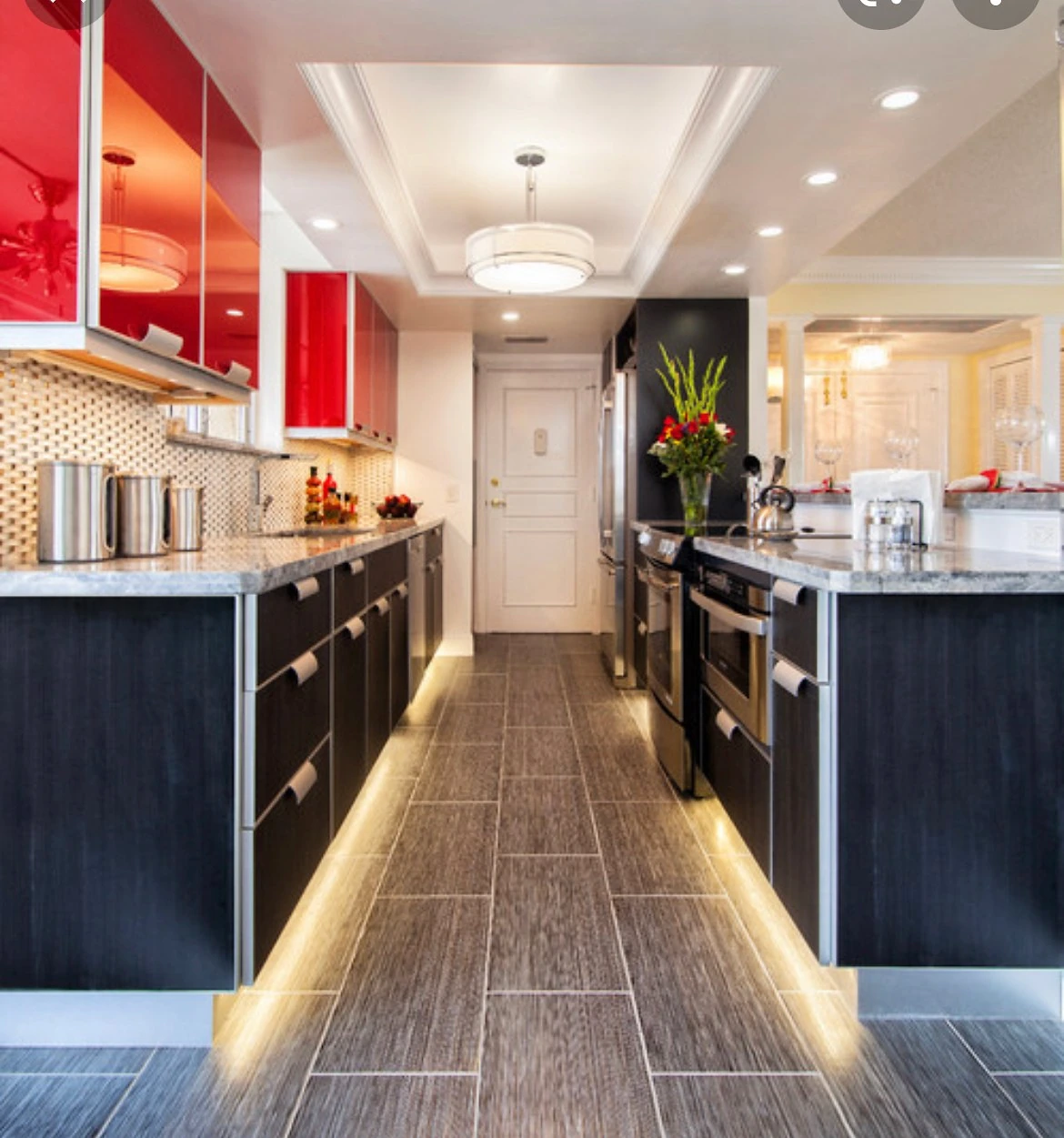
Put light where you need it
A room can have plenty of fixtures and still feel uncomfortable if the light falls in the wrong places. Kitchen work surfaces, seating areas, hallways, and reading spaces have different needs. We discuss where you want useful light and how the existing installation supports the changes. Recessed fixtures, replacement fittings, and updated controls may be part of the scope, depending on the property. Share a room photo, your layout, and any selected fixture information. Those details help define the electrical work without assuming that adding more lights is always the best answer.

Plan outdoor lighting around your property
Outdoor lighting should help you use entrances, paths, patios, and landscaped areas after dark. Placement matters as much as brightness. We discuss the areas you want illuminated, the existing electrical access, and the fixtures under consideration. The scope can include outdoor or landscape lighting installations suited to the location. Nearby windows, property boundaries, and the direction of the light are useful planning considerations. Tell us whether the project involves an existing garden or other outdoor construction. That helps clarify installation routes and how the electrical work relates to landscaping and finished surfaces.
Match fixtures and controls before installation
The appearance of a fixture is only one part of the decision. The mounting location, available wiring, control compatibility, and product requirements also affect installation. We review those details as part of the proposed work. If you want dimming or smart control, mention that before equipment is selected. A clear scope helps separate fixture supply, electrical installation, and any related repairs. You approve pricing before work begins, and the installation follows applicable code and safety requirements. Ask about workmanship and equipment coverage when we review your lighting estimate.
FROM OUR PROJECT PHOTOGRAPHS
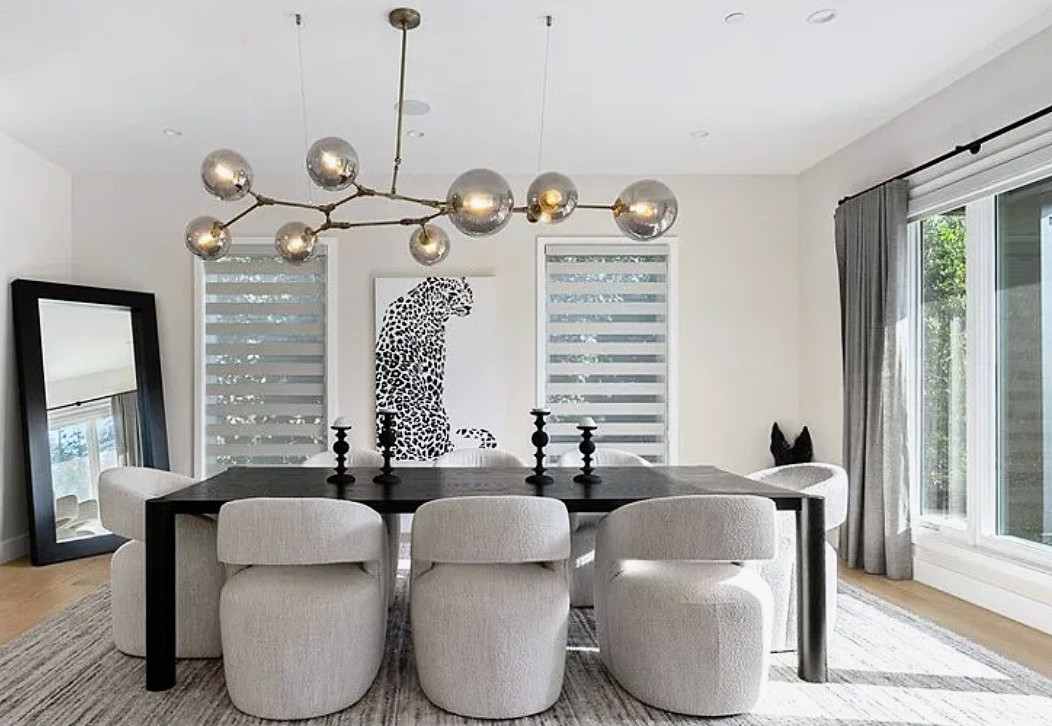
A chandelier above the dining table
A branching glass-globe chandelier hangs above a dining table and upholstered chairs. The residential project photograph shows the fixture's scale and position within the dining space.
- Residential lighting
- Glass-globe chandelier
- Dining room
Common questions
Can you install lighting fixtures I have already purchased?
We can review customer-selected fixtures for the proposed installation. Send the product details, quantity, and intended locations when requesting your estimate. We need to confirm the equipment is suitable for the setting and compatible with the mounting, wiring, and controls involved in the work.
Can you add recessed lighting during a renovation?
Yes. Recessed lighting can be included in the electrical scope for a renovation. The layout, ceiling construction, access, and fixture requirements affect the installation. Share your plans early so lighting locations and controls can be discussed before ceilings and other finishes are completed.
Can you improve lighting without replacing everything?
Often the project can focus on selected fixtures, locations, or controls rather than every light in the home. We review what you want to improve and how the existing installation is arranged. The recommended scope depends on those findings and the equipment you want to use.
Technical planning notes & references
BEFORE WE QUOTE THE WORK
Choose the light and controls together
Think in layers
General, task and accent lighting serve different purposes. Placement, beam spread, color temperature and glare affect the room. A brighter lamp is not always the answer to a poorly positioned fixture.
Check the electrical fit
Fixture weight, support, box condition and controls can affect replacement. LED dimming needs compatible equipment. Larger alterations need review of applicable energy requirements and existing circuits before the fixture order is final.
California Energy Commission: energy standards